
Techno Retro

Techno Retro

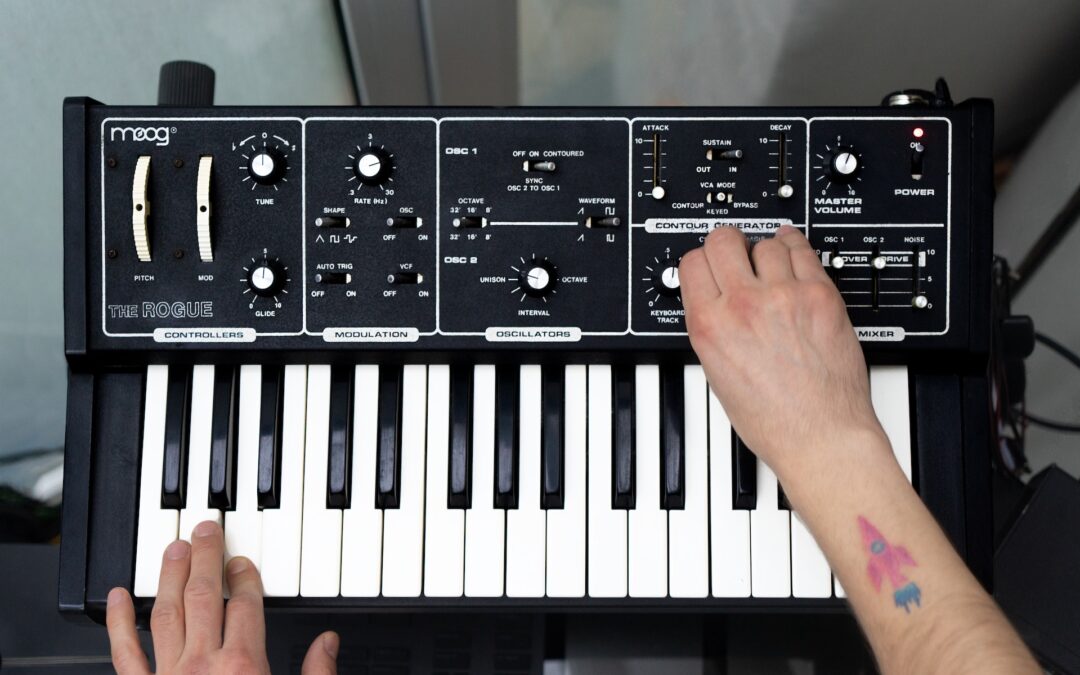
In a world where cutting-edge technology often dominates the music scene, there’s an undeniable allure to the past. Retro electronic music keyboards, with their iconic sounds and vintage charm, continue to captivate musicians and enthusiasts alike. From the warm analog tones of the Moog to the futuristic presets of the DX7, these keyboards are more than just instruments – they’re time machines that transport us to eras of innovation and sonic exploration. 

The late 20th century marked the rise of electronic synthesizers that would shape the musical landscape. Pioneering instruments like the Minimoog Model D brought the power of synthesis to musicians’ fingertips, introducing them to the world of oscillators, filters, and envelopes. The analog warmth and expressive capabilities of these synthesizers laid the foundation for the retro sound that continues to inspire today.

In the 1980s, the Yamaha DX7 revolutionized the music industry with its groundbreaking FM synthesis technology. This digital powerhouse could create a vast range of sounds, from lush electric pianos to metallic bells. The iconic sound of the DX7 left an indelible mark on popular music of the era and remains a staple in many genres, from pop to electronic.

The Roland Juno-60 epitomizes the lush, dreamy pads and arpeggiated sequences that defined the synth-pop era. Its warm analog sound, chorus effect, and user-friendly interface made it a favorite among musicians seeking to add depth and emotion to their compositions. Even today, the Juno-60’s ethereal tones evoke a sense of nostalgia and romance.

The Mellotron is a true vintage gem that added a unique layer of authenticity to classic rock and progressive music. This keyboard used tape loops to replicate orchestral and choral sounds, creating a distinctive and evocative sonic palette. Bands like The Beatles and Genesis embraced the Mellotron’s enchanting textures.

Retro electronic music keyboards are more than instruments; they’re vessels of creativity and gateways to the past. Their distinctive sounds continue to inspire contemporary musicians and producers, reminding us that while technology evolves, the magic of vintage synthesis remains timeless. As we honor the pioneers who shaped electronic music history, we also celebrate the enduring legacy of these keyboards that continue to spark innovation and artistic expression. Whether you’re drawn to the analog warmth of the Minimoog or the digital versatility of the DX7, these retro keyboards are a testament to the boundless sonic possibilities that have shaped the evolution of music.

Yours truly,

Joel

The Environmental Impact of Electronic Music Production

The Environmental Impact of Electronic Music Production

Electronic music production relies heavily on energy-intensive equipment, from computers and synthesizers to amplifiers and lighting rigs. These devices often require significant amounts of electricity, contributing to carbon emissions and resource consumption. As the industry evolves, the quest for energy-efficient technologies becomes crucial in reducing its carbon footprint.

The shift towards digital distribution has transformed how music is consumed. While eliminating physical packaging, it has also increased the demand for data storage and streaming, both of which require energy-intensive data centers. Artists and platforms can explore eco-friendly hosting solutions and advocate for conscious consumption.

By embracing energy-efficient technologies, reducing e-waste, adopting sustainable practices in event production, and creating music that resonates with ecological themes, the industry can amplify its influence beyond the dancefloor. The future of electronic music lies in striking the right chord between creativity and conservation, ensuring that the beats we love resonate in harmony with the world we inhabit.

Producing Electronic Music for Cinema

Producing Electronic Music for Cinema

Traditional orchestral scores have a rich history in cinema, but electronic music offers filmmakers a modern palette to evoke moods, create atmospheres, and engage audiences. From suspenseful synth-driven tracks to ethereal ambient compositions, electronic elements add a fresh and dynamic layer to cinematic experiences.

Electronic music excels at manipulating emotions through sound. The intricate blending of synthesizers, samples, and digital effects allows composers to craft immersive soundscapes that immerse audiences in a film’s world. Subtle pulsating beats or soaring melodies can intensify drama, create tension, or evoke a sense of wonder, heightening the emotional impact of scenes.

Electronic music production for cinema benefits from cutting-edge technology, allowing composers to experiment with intricate layering, intricate effects, and immersive spatial sound such as in the unique feature film Beyond the Black Rainbow. With software synthesizers, sample libraries, and digital audio workstations, composers can create entire orchestras of sound, expanding their sonic palette beyond traditional instruments.

Electronic music’s ability to evoke emotion, create atmosphere, and embrace genre fusion makes it a powerful tool for filmmakers seeking to break new ground in the world of sound and cinema.


Yours truly,

Joel

Collaboration Between Artists

Collaboration Between Artists

In the world of electronic music, collaborations between artists are more than just musical unions; they’re opportunities for creative exploration, genre-bending innovation, and the fusion of unique sonic identities. Three iconic figures, Daft Punk, Steve Aoki, and Deadmau5, have left an indelible mark on the electronic music landscape both as solo artists and through their captivating collaborations.

Daft Punk, the enigmatic French duo, are renowned for their revolutionary sound and visual aesthetics. Their collaboration with Pharrell Williams and Nile Rodgers on “Get Lucky” became a global anthem, merging funk, disco, and electronic elements into a timeless hit. The duo’s collaboration with The Weeknd on “Starboy” showcased their ability to fuse futuristic electronic production with mainstream pop, transcending genres and eras.

Steve Aoki, a trailblazer in the electronic dance scene, has embraced collaborations that span genres and cultural boundaries. His partnership with BTS on the track “Waste It On Me” marked a significant moment in bridging electronic music with K-pop, captivating fans around the world. Aoki’s collaborations underscore his commitment to breaking barriers and unifying diverse musical landscapes.

Noisia, the Dutch electronic music trio, have etched their own unique path through collaborations that challenge sonic boundaries. Their partnership with The Upbeats on “Dead Limit” showcased their mastery of drum and bass, pushing the limits of rhythm and basslines. Noisia’s collaborations embody their commitment to pushing the frontiers of electronic sound design.

Deadmau5, the Canadian electronic music prodigy, has woven his intricate production skills into captivating collaborations. His partnership with me on “Synthetic Nights” created a hypnotic blend of progressive and ambient sounds, captivating listeners with its emotional depth. Deadmau5’s collaborations exemplify his ability to seamlessly merge his signature sound with the artistic visions of his peers.

In the ever-evolving landscape of electronic music, collaborations involving luminaries like Daft Punk, Steve Aoki, Deadmau5, and Noisia are not mere artistic endeavors; they are catalysts for creativity that redefine sonic norms and elevate the art form itself.

Yours truly,

Joel

Techno Retro

New gear: acquired!

These classic-meets-modern instruments promise to take me to new heights. In this article, we take a closer look at these captivating synthesizers and explore how they contribute to my sonic journey.

The Sequential OB-6 synthesizer harkens back to the golden era of analog synthesis while integrating modern features. With its six-voice polyphony, dual filters, and charismatic sound engine, the OB-6 captures the warmth and richness that defined iconic synthesizers of the past. Its collaboration with Dave Smith and Tom Oberheim results in a potent blend of vintage character and contemporary control.

The Behringer DeepMind 12 represents a modern take on polyphonic synthesis, offering a wealth of sound shaping capabilities. Its 12-voice polyphony, deep modulation options, and expansive effects section provide a versatile palette for sonic exploration. The DeepMind 12 seamlessly bridges the gap between classic analog and forward-thinking digital technology.

As I will incorporate the Sequential OB-6 and Behringer DeepMind 12 into my toolkit, the future is brimming with possibilities. These synthesizers open doors to crafting multi-dimensional sonic landscapes that evoke emotions, stimulate imagination, and will transport my listeners through time and space.

I will leave you now as I will dig deep into this. See you on the other side of dreams.

Yours truly,

Joel