
Exploring Subgenres in Electronic Music

Exploring Subgenres in Electronic Music

Introduction

Electronic music has emerged as one of the most diverse and influential genres in modern music. It spans an expansive spectrum of sounds, beats, and atmospheres that continue to captivate audiences worldwide. At its core, electronic music utilizes technology and synthesizers to produce innovative and distinctive sounds. Within this vast musical landscape, numerous subgenres have evolved, each with its own unique characteristics and appeal. In this article, we will delve into some of the most prominent subgenres in electronic music, from the driving rhythms of Techno to the ethereal soundscapes of Ambient, and everything in-between.


1. Techno: The Driving Force

Techno is arguably one of the most well-known and enduring subgenres of electronic music. Originating in Detroit during the 1980s, it quickly gained popularity worldwide. Characterized by its driving beats, repetitive loops, and energetic vibe, Techno is designed to move bodies on the dancefloor. Producers often incorporate industrial and futuristic elements, and its relentless rhythms create an immersive and hypnotic experience for listeners. Today, Techno has diversified into various substyles, such as Minimal Techno, Detroit Techno, and Acid Techno, each adding its own twist to the genre’s classic formula.


2. House: The Soulful Groove

Born in Chicago during the 1980s, House music evolved from the disco scene, blending soulful vocals, funky basslines, and uplifting melodies. As a genre that promotes inclusivity and love on the dancefloor, House music has played a vital role in shaping club culture. Its four-on-the-floor rhythm is complemented by diverse subgenres like Deep House, Progressive House, and Tech House, catering to different moods and atmospheres while maintaining the genre’s underlying ethos of unity and positive energy.


3. Drum and Bass: The Rhythmic Adventure

Drum and Bass (DnB) is a high-energy subgenre characterized by fast-paced breakbeats, heavy basslines, and intricate percussion. Originating in the UK during the early 1990s, DnB has remained a staple of the electronic music scene. With its frenetic pace and powerful bass, DnB continues to push boundaries, giving rise to subgenres like Liquid DnB, Neurofunk, and Jungle, each offering a unique perspective on the genre’s diverse and dynamic sound.


4. Dubstep: The Bass Wobble Phenomenon

Dubstep burst into the mainstream during the late 2000s, captivating audiences with its deep, bass-heavy soundscapes and distinctive “wobble” basslines. Emerging from the UK’s underground music scene, Dubstep combines elements of 2-step garage, drum and bass, and dub reggae. Known for its intense drops and syncopated rhythms, Dubstep has seen various evolutions, including Brostep and Chillstep, appealing to different tastes and emotions.


5. Trance: The Hypnotic Journey

Trance music is all about creating an otherworldly experience through its repetitive melodies, soaring synths, and euphoric build-ups and breakdowns. Originating in Germany during the early 1990s, Trance aims to induce a state of trance and elevate listeners to a higher plane of consciousness. The genre’s uplifting and emotional qualities have led to the development of subgenres like Progressive Trance, Uplifting Trance, and Psytrance, each offering a distinct take on the Trance experience.


6. Ambient: The Ethereal Soundscape

In stark contrast to the high-energy beats of many other electronic subgenres, Ambient music focuses on creating a serene and immersive sonic environment. Characterized by slow tempos, long sustains, and atmospheric textures, Ambient music allows listeners to escape the mundane and embark on a reflective and meditative journey. It often complements other genres and has given rise to subgenres like Dark Ambient and Space Ambient, each crafting its unique blend of sonic tranquility.


Conclusion

Electronic music’s vast and ever-evolving landscape is a testament to the power of innovation and creativity. From the driving force of Techno to the ethereal soundscapes of Ambient, exploring subgenres in electronic music offers an exciting journey through diverse musical worlds. Each subgenre brings its distinct essence, reflecting the emotions and experiences of its time and place of origin. As technology advances and artistic boundaries continue to be pushed, we can only anticipate more subgenres to emerge, enriching the electronic music scene with new sounds and stories for generations to come. So, whether you’re dancing to the pounding beats of Techno or meditating to the ethereal melodies of Ambient, electronic music has something captivating for everyone.
The Art of Sound Design in Electronic Music

The Art of Sound Design in Electronic Music

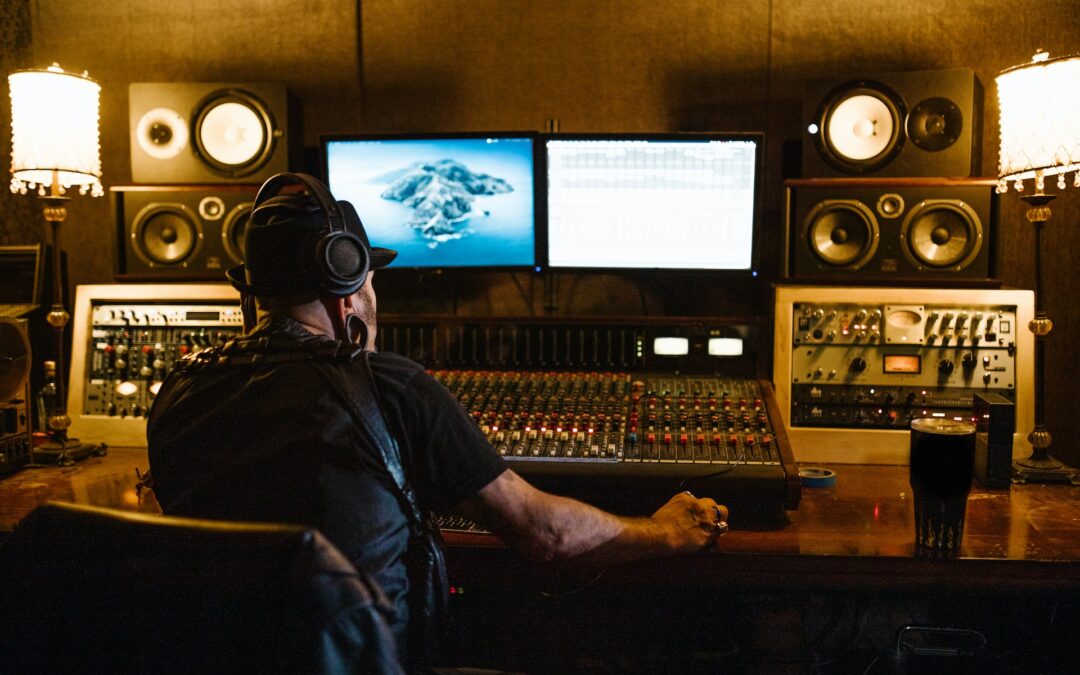
Sound design in electronic music is akin to painting on a limitless canvas. With a palette that includes a diverse range of synthesized sounds, samples, and real-world recordings, producers have the power to mold auditory experiences that were once unimaginable. This dynamic palette allows them to create anything from ethereal pads that transport listeners to distant galaxies to gritty basslines that resonate with raw energy.

At the heart of sound design lies synthesis, a process by which electronic music producers generate and manipulate sounds from scratch. Whether through subtractive, additive, FM (Frequency Modulation), or granular synthesis, producers can shape and evolve sound waves to construct entirely new textures. This method enables the transformation of ordinary sine waves into complex and otherworldly sonic creations, giving birth to signature sounds that define genres and artists.

While sound design is often associated with the technical aspects of music production, its emotional impact should not be underestimated. A precisely crafted sound has the power to evoke emotions, trigger memories, and transport listeners to unexplored mental landscapes. For instance, a carefully constructed ambient sound can induce feelings of serenity, while a distorted and aggressive bassline can ignite a surge of energy.

In the vast universe of electronic music, sound design stands as the cornerstone of innovation and expression. It’s the art of sculpting sonic worlds that take listeners on a journey beyond the constraints of reality. As technology continues to advance, the possibilities for sound design become even more tantalizing, promising a future where the boundaries of sound are limited only by the imagination of the creators. So, the next time you immerse yourself in your favorite electronic track, take a moment to appreciate the intricate artistry that goes into each meticulously designed sound.

Pushing Boundaries Onstage

Pushing Boundaries Onstage

In the world of electronic music, pushing boundaries isn’t limited to the studio; it extends to the stage, where artists strive to create unforgettable live experiences that transcend the norm. Daft Punk, the iconic French electronic duo, mastered this art, revolutionizing live performances and setting new standards for innovation.

Artists are no longer content with merely playing their tracks; they aspire to craft mind-bending experiences that stimulate all the senses. Pushing boundaries begins with a desire to break free from the confines of traditional concert setups and challenge conventional expectations.

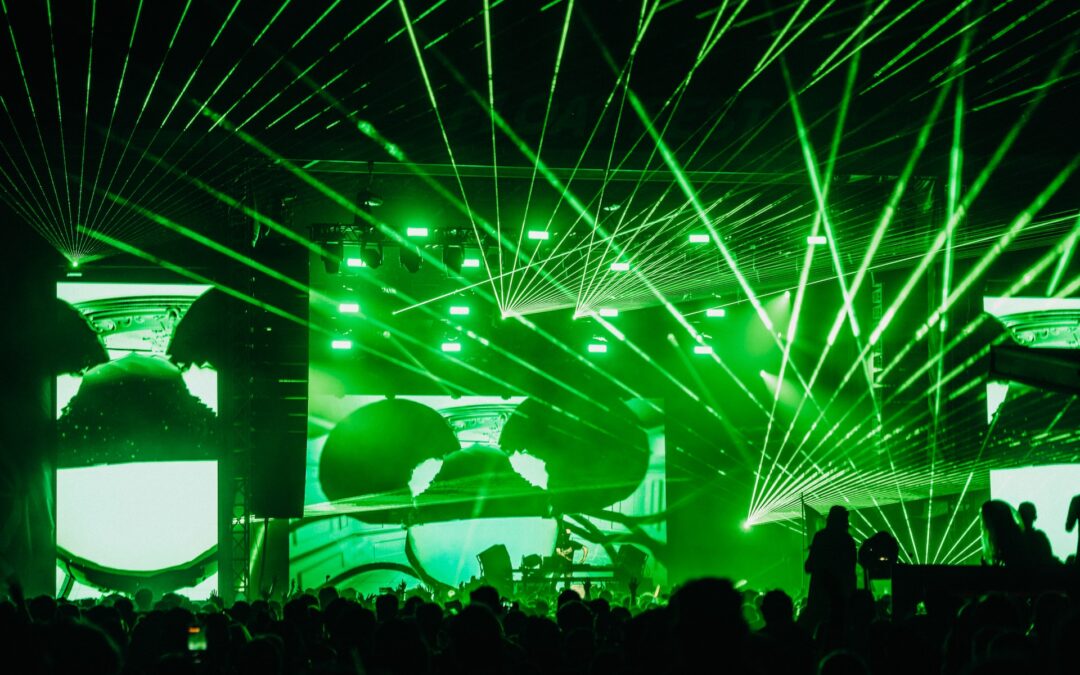
Visuals are a fundamental component of pushing boundaries onstage. Elaborate lighting setups, projection mapping, holograms, and LED displays create a mesmerizing synergy between music and visuals. The synchronized interplay between sonic and visual elements transforms the stage into a living, breathing entity, capturing the audience’s imagination.

To push boundaries, artists are stepping beyond the confines of laptops and controllers. Incorporating live instruments, vocalists, and unexpected collaborations into electronic performances adds an organic layer of unpredictability. This dynamic fusion not only diversifies the soundscape but also establishes a genuine connection between artists and their audience.

Pushing boundaries onstage involves a fusion of art forms beyond music and visuals. Dance, theater, and performance art intertwine to craft multidimensional spectacles that challenge traditional definitions. This cross-pollination captivates audiences by transcending genre boundaries and embracing holistic creativity.

The electronic music genre’s vibrant evolution onstage exemplifies the ongoing marriage of technology, creativity, and boundless imagination. Artists continue to redefine live performances, expanding the horizons of what’s possible through sensory stimulation, immersive experiences, and unprecedented visual and auditory marvels. As technology advances and artistic collaborations flourish, the future promises even more boundary-pushing moments that elevate the electronic music live experience to remarkable new heights.

Yours truly,

Joel 

Electronic Music Festivals

Electronic Music Festivals

In the realm of music festivals, where mainstream events often hog the spotlight, there exists a parallel universe pulsating with creativity, innovation, and a raw passion for sound.

Underground electronic music festivals, tucked away from the glaring lights, offer a truly immersive experience for music enthusiasts seeking something more authentic and offbeat. In this article, we’ll embark on a journey through the global subculture of underground electronic music festivals, where the beats are experimental, the venues unconventional, and the atmosphere electric.

The capital city of Germany, Berlin, has carved out a reputation as the ultimate mecca for techno lovers. Home to some of the world’s most legendary techno clubs like Berghain and Tresor, Berlin’s underground electronic scene thrives year-round. Events like “Atonal” and “CTM Festival” take attendees on a sonic voyage through avant-garde techno, experimental electronics, and ambient soundscapes in abandoned factories and industrial spaces.

The capital city of Germany, Berlin, has carved out a reputation as the ultimate mecca for techno lovers. Home to some of the world’s most legendary techno clubs like Berghain and Tresor, Berlin’s underground electronic scene thrives year-round. Events like “Atonal” and “CTM Festival” take attendees on a sonic voyage through avant-garde techno, experimental electronics, and ambient soundscapes in abandoned factories and industrial spaces.

MUTEK, held annually in Montreal, Canada, is a pioneering festival that places emphasis on the intersection of technology and creativity. Showcasing live audiovisual performances, digital art installations, and experimental music, MUTEK creates an immersive environment for those who seek to explore the outer boundaries of electronic expression.

So, if you’re ready to dive into a world where the beats are unfiltered and the energy is unbridled, consider embarking on a subterranean musical adventure at one of these unique festivals.

Yuors truly,

Joel

Electronic Music in Video Games

Electronic Music in Video Games

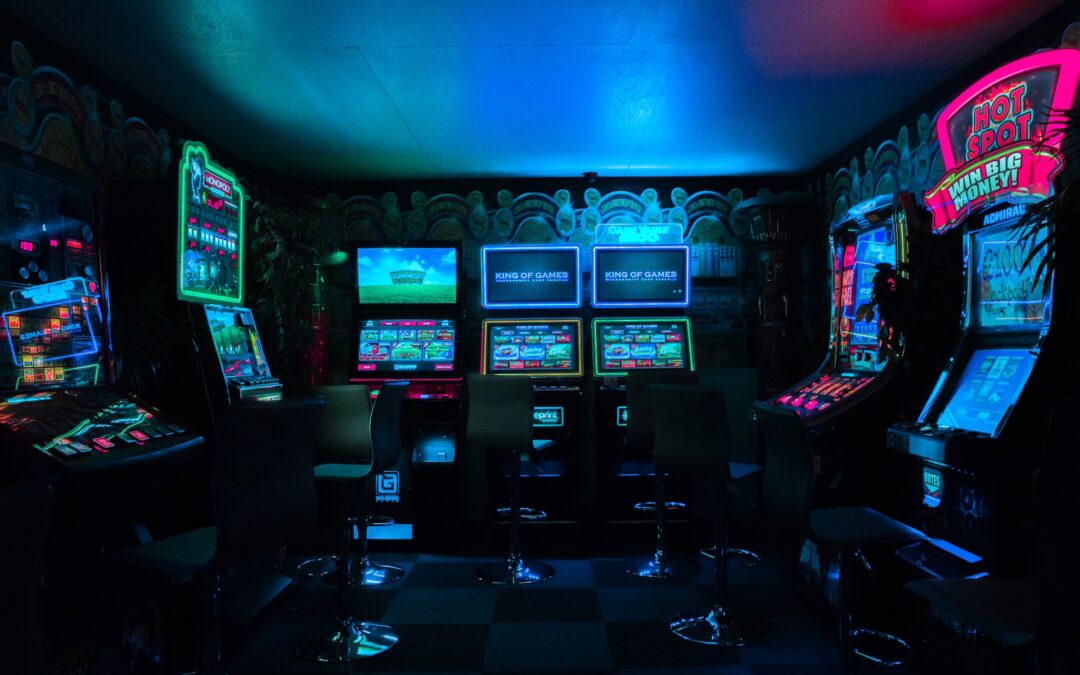
Electronic music has become an integral part of gaming, enhancing immersion, storytelling, and player engagement. In this article, we delve into the fascinating world of electronic music scores in video games, exploring their evolution, impact, and the symbiotic relationship between music and gameplay.

The birth of electronic music scores in video games can be traced back to the early days of arcade gaming. Limited by technology, composers turned to synthesizers and electronic instruments to create memorable melodies that accompanied iconic games like “Pac-Man” and “Space Invaders.” These 8-bit compositions became the sonic identity of an era, ingraining themselves in the collective nostalgia of gamers worldwide.

As gaming technology advanced, so did the complexity of electronic music scores. Game developers realized the potential of electronic soundscapes to create immersive environments that heighten player engagement. Titles like “Deus Ex” and “Mass Effect” employed electronic elements to craft futuristic worlds, effectively blurring the lines between reality and virtuality.

Some video games have become a platform for experimental electronic musicians to showcase their talents. Games like “Crypt of the NecroDancer” blend rhythm-based gameplay with an electronic soundtrack, creating an interactive musical experience. This fusion of gameplay and music challenges traditional boundaries, paving the way for innovation in both mediums.

So, the next time you dive into a virtual adventure, take a moment to appreciate the intricate tapestry of electronic sounds that breathe life into the pixels on your screen.